
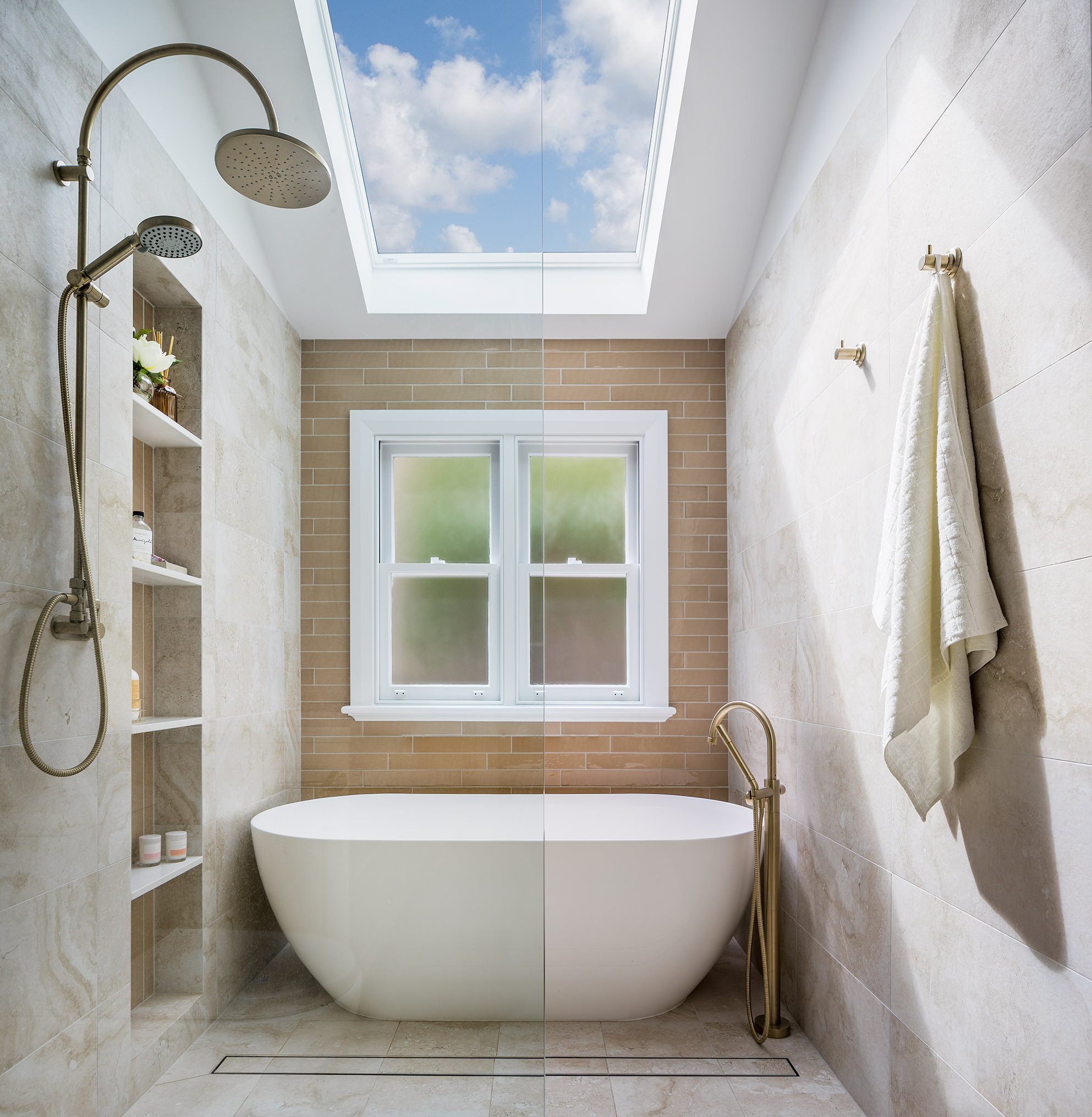
Sustainable Interior Design: Blending Luxury and Sustainability
When it comes to contemporary interior design, luxury and sustainability are no longer opposing ideas.
In fact, at their most compelling, they complement each other beautifully; captivating materials, exquisite craftsmanship and high-end finishes, all delivered with an eco-conscious mindset.
At the same time, the conversation must extend far beyond the walls of a single space: the building industry is one of the largest consumers of resources and producers of waste and emissions, so every interior decision sits within a wider context of environmental responsibility and future-proofing.
Looking to elevate your home with a refined, sustainable design? Contact the team at Lux Interiors today for personalised advice and expert guidance tailored to your vision.
Why Sustainability Matters in Interior Design and the Building Industry
The building industry plays an outsized role in global resource consumption and environmental impact.
According to industry data, buildings and construction account for an estimated 20 – 50 per cent of the world’s physical resource use. From raw materials extracted from the earth, through manufacturing, transportation, assembly, use and finally disposal or demolition, every stage of a building’s life cycle carries environmental cost.
For builders focused on luxury, high performance and longevity, this context presents both an opportunity and a responsibility. Luxury interiors that neglect sustainability risk are not only environmentally out of step but also outdated in terms of lifecycle thinking, occupant health and building regulatory trends.
On the other hand, when sustainability is considered during the design process, it elevates the outcome: finer materials chosen, better air quality, smarter energy performance, and spaces that feel premium yet responsible.
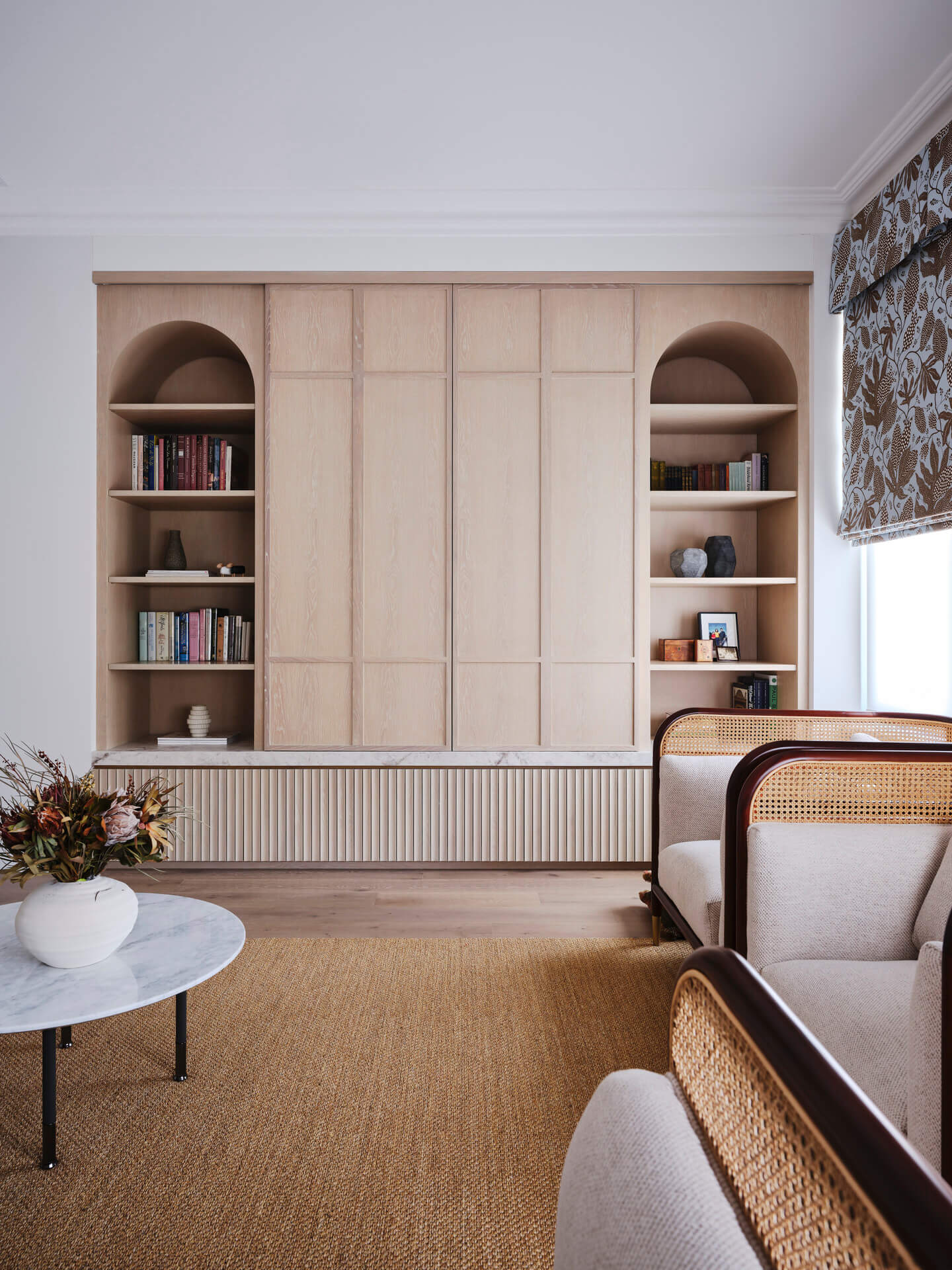
What High-End Interior Designers Keep in Mind
Here is a detailed list of considerations designers use when approaching sustainable interior design in a luxury context. These tips reflect both aesthetic ambition and environmental rigour.
1. Think lifecycle, not just initial cost or appearance: From extraction of raw materials, through manufacturing, transport, installation, use and eventual disposal or reuse, every stage matters.
In luxury interiors, choosing materials with a strong provenance and documented performance can help justify premium cost and align with sustainability credentials.
2. Prioritise energy efficiency and passive design principles: Interior design doesn’t stop at finishes. Window placement, shading, insulation, ventilation, lighting design and appliance selection all contribute to the building’s energy demand. Designing the interior with these in mind elevates the space and lowers its carbon footprint.
The designer’s role includes collaborating with the architectural and MEP (mechanical, electrical, plumbing) teams to ensure the interior package supports the building fabric, not works against it.
3. Select low-impact, responsibly sourced materials: Look for materials with certifications (e.g., FSC certified timber, Green Tick, Good Environmental Choice) and those with documented recycled content or end-of-life recovery strategies.
This may include natural stone, reclaimed timber, recycled metal, up-cycled furnishings or high-quality engineered materials with long performance life.
Designers might avoid materials with high embodied carbon or those that carry heavy chemical treatments, opting instead for raw or minimally finished alternatives.
4. Embrace reuse, refurbishment and flexibility: One of the most sustainable strategies is to reuse what already exists, such as furniture, joinery, and architectural elements, rather than specifying entirely new build-outs.
Designing for flexibility means the interior can adapt to new uses or configurations without requiring a full renovation. This reduces future waste, saves cost and supports longevity.
5. Ensure occupant health, well-being and indoor environmental quality: High-end interiors should feel not just beautiful but also healthy. Low-VOC paints and finishes, natural ventilation, proper daylighting, acoustics and thermal comfort all contribute to well-being.
In addition to sustainability in the sense of environmental performance, this ensures the space delivers a premium occupant experience, a key expectation in luxury design.
Materials and furnishings should be non-toxic, well-ventilated and designed to age gracefully, preserving quality rather than degrading.
6. Waste minimisation, circular economy thinking and end-of-life planning: Designers should ask: What happens to this material in 10, 20 or 50 years? Can it be reused, recycled or repurposed?
In luxury interiors, this might mean selecting joinery that can be disassembled, furniture with replaceable components, salvageable stone or timber elements, or finishes that can be refinished rather than replaced.
Waste reduction during construction is also key: accurate ordering, off-cut reuse, and collaboration with contractors to manage disposal.
7. Collaborative design and specification process: Sustainability must be integrated across the project team early on; architects, interior designers, engineers, contractors, and clients all need to understand the sustainability objectives and budget accordingly.
For leading practices that specialise in high-end interiors, it means specifying up-front where premium sustainable options will sit (for example: high-performance glazing, custom joinery with recycled content) and where value-engineering may still allow a luxury finish without compromise on sustainability.
8. Transparency, certification and client education: Communicating the sustainability credentials of materials, finishes, and systems is important. Clients of luxury interior design firms expect provenance, quality, and longevity, and this expectation should also extend to sustainability.
Certifications, life-cycle assessments, embodied carbon reporting and indoor environmental quality performance are all part of a transparent specification process.
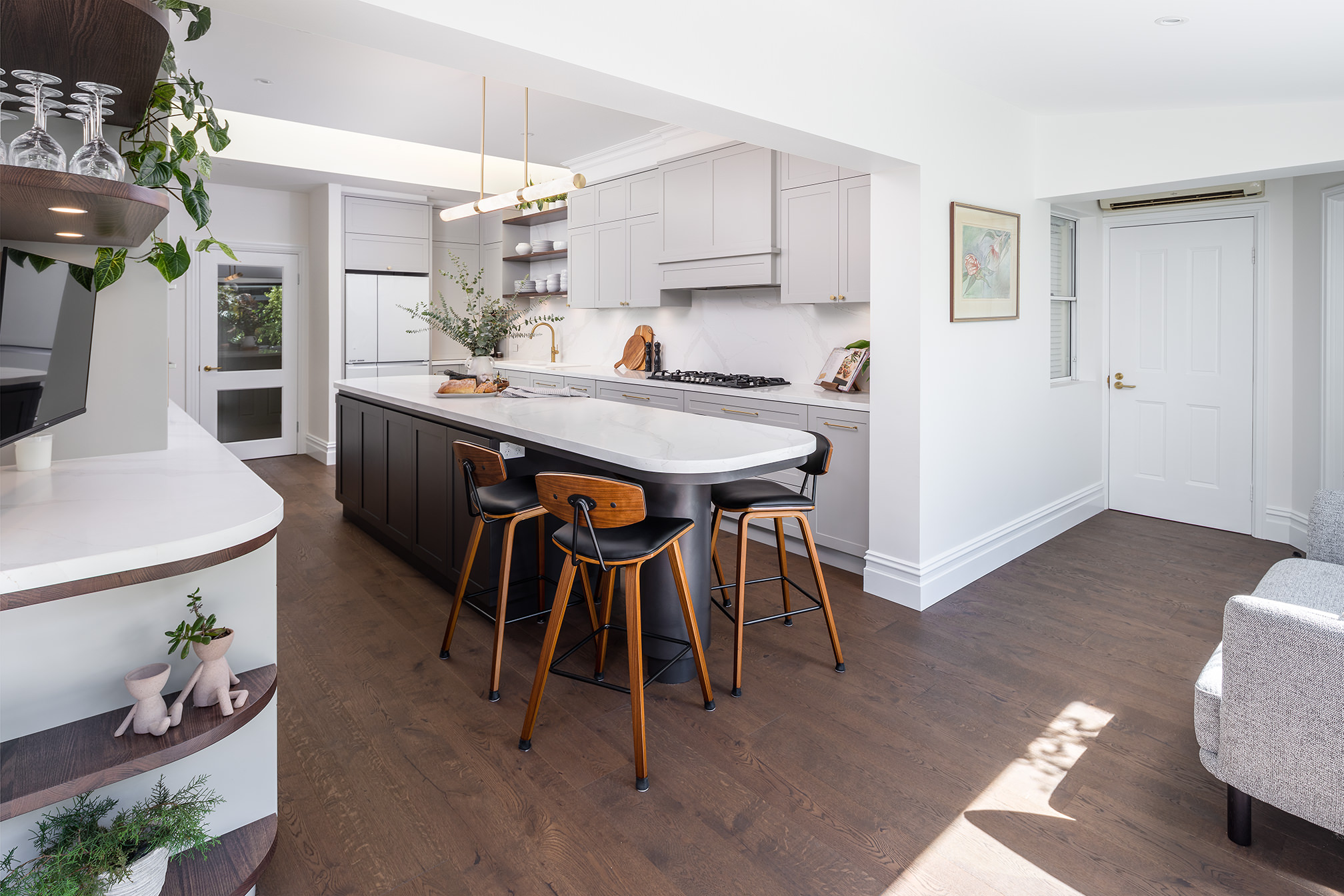
Luxury Meets Sustainability
In practice, a high-end interior project for a specialist firm moves beyond selecting beautiful finishes and onto orchestrating a holistic environment.
It might involve:
- A luxury residence where the joinery is crafted from FSC-certified timber, oak flooring from sustainable sources, and floor finishes sealed with natural oils rather than synthetic lacquers.
- A penthouse suite where high insulation glazing and automated shading systems reduce energy use, allowing generous daylight without overheating, while the interior palette uses natural textiles with recycled content and low VOC paints for a clean, healthy indoor environment.
- A flagship renovation where the original architectural elements are retained, refurbished and integrated into the new design to minimise waste, while new insertions use modular, easily-replaced components anticipating future use-cases.
- Spaces that embrace timeless design rather than fleeting trends: this means material durability, classic forms and flexibility to adapt. In doing so, it extends the useful life of the interior and reduces the need for frequent re-fit.
- Collaboration between design, architecture and building services so that lighting, HVAC, joinery and finishes all contribute to sustainability rather than being considered separately.
When luxury meets sustainability in this way, the result is more than simply ‘eco-friendly’. It is an interior that performs brilliantly, delights aesthetically, supports occupant health and contributes to a reduced environmental footprint. For clients investing in a high-end finish, it becomes a deeper value proposition.

The Future of Luxury Design Lies in Sustainability
Sustainability in interior design is no longer an optional extra.
For the building industry at large and for premium interior design practices, it is a defining feature of modern, responsible, aspirational design. From the sourcing of materials to lifecycle thinking, occupant health to energy performance, the full spectrum matters.
Lux Interiors bring together the finest craftsmanship, the highest quality materials and a sustainability agenda that future-proofs spaces as much as it elevates them.
The result is interiors that not only look exceptional today but remain relevant, responsible and high performing long into the future.
FULFIL YOUR VISION
Throughout the design and renovation of your home or apartment, our team is dedicated to creating a timeless and refined space that reflects and enhances your lifestyle. We offer an exclusive service, focusing on a select number of projects each year to ensure your renovation receives the attention it deserves. Our team consists of specialists in their fields, all committed to delivering exceptional results.