
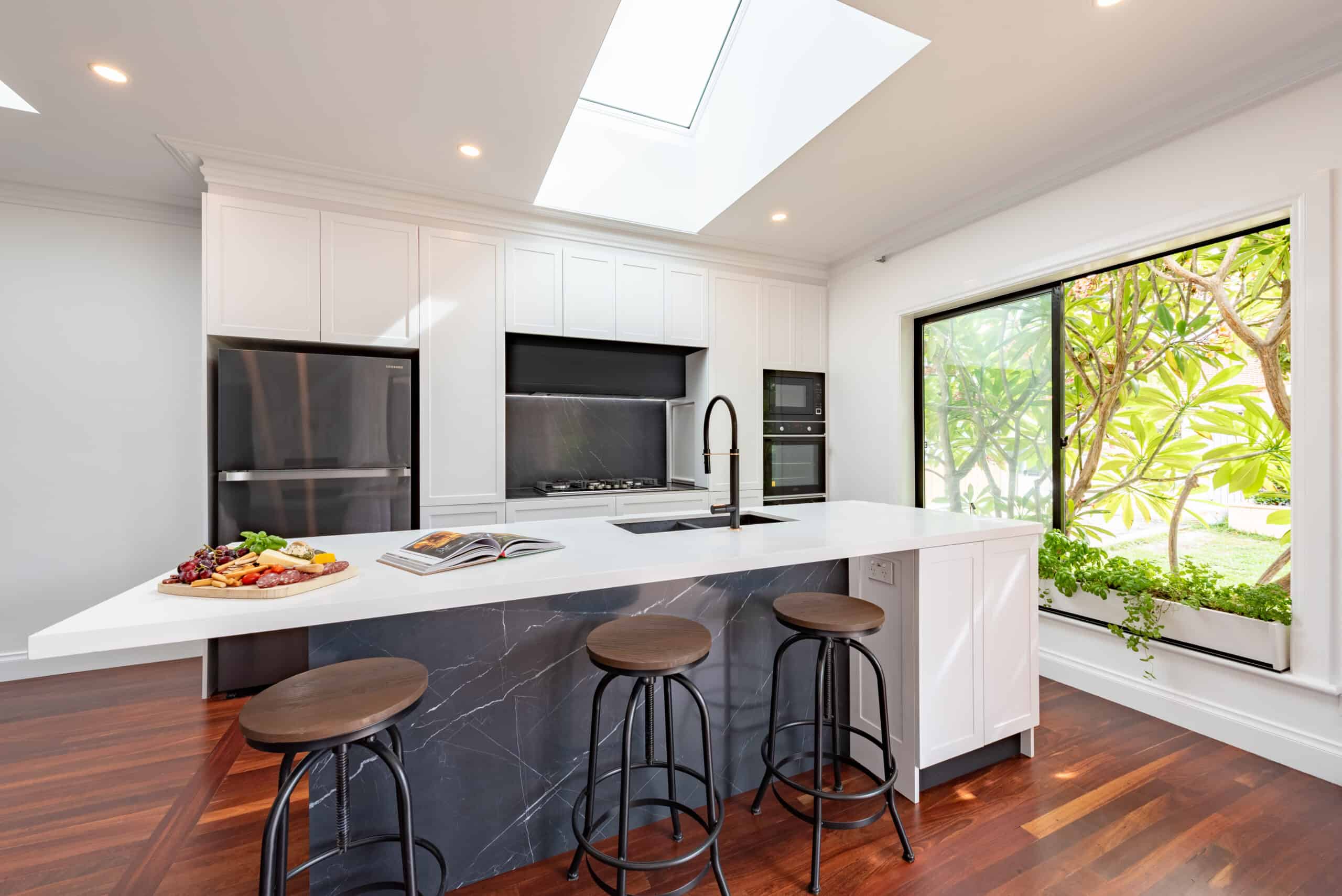
Maximising Natural Light in Interior Design
Natural light is one of the most powerful tools in interior design. It can elevate a space, enhance the mood of a room, and create a sense of warmth, clarity, and connection that artificial lighting simply cannot replicate.
For design driven homeowners, light is not just a practical element. It is a central feature that shapes the feeling of a home and influences how each room is used and enjoyed.
At Lux Interiors, thoughtful lighting design is integral to every renovation. We explore a range of architectural and aesthetic techniques that allow daylight to flow deeper into the home, enhancing comfort and supporting modern expectations of healthy, comfortable, and beautiful living.
For personalised advice, contact our team at Lux Interiors today. Our design led approach ensures every space captures natural light beautifully while reflecting your lifestyle and vision.
Why Natural Light Matters
Before diving into the design techniques, it is important to understand why daylight is such a prized element.
Natural light can make rooms feel larger and more open, strengthen the relationship between indoor and outdoor spaces, and help homeowners feel more grounded in their environment. It also contributes to wellbeing by supporting the body’s natural rhythms and reducing reliance on artificial lighting throughout the day.
Importantly, it also plays a key role in creating sustainable living spaces. Homes that capture and distribute daylight effectively require less energy for lighting and temperature control.
Architectural Techniques That Enhance Daylight
Architectural decisions form the foundation of how effectively daylight enters and moves through a home. Even small adjustments can dramatically influence brightness and balance.
Skylights and Roof Windows
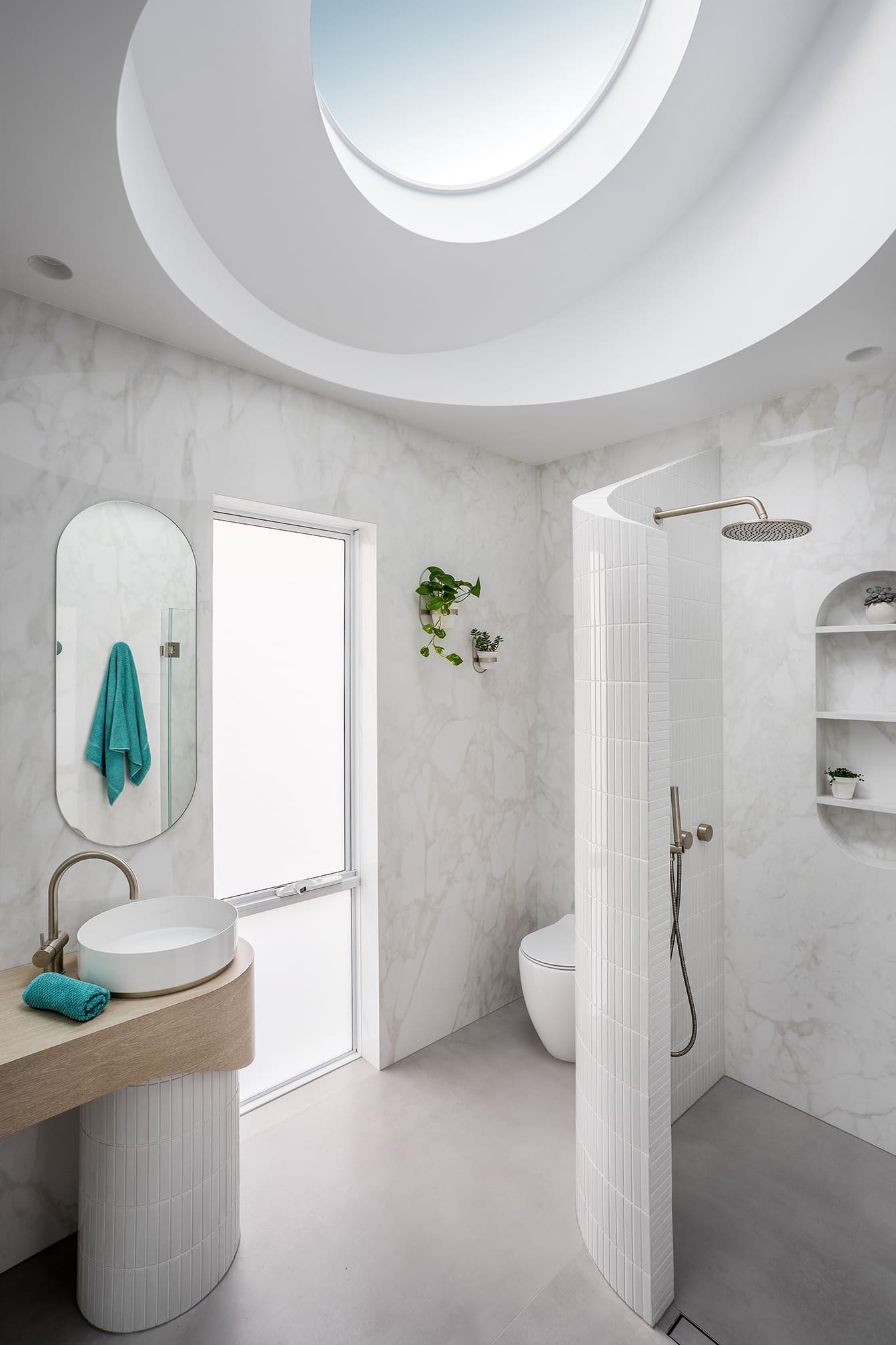
Skylights bring daylight directly from above, capturing the brightest and most consistent source of natural light. They are particularly effective in rooms that lack external walls or where privacy is a concern.
High performance glazing options allow homeowners to enjoy ambient light without unwanted heat gain, making skylights a popular choice for bathrooms, hallways, and upper level living zones.
Roof windows offer a similar benefit but can be positioned to provide both light and ventilation. Strategic placement aligns the light path with the function of the room, creating moments of visual impact and enhancing liveability.
Light Wells and Courtyards
Light wells have become a signature feature in modern, architecturally inspired homes. By carving out vertical voids within the structure, designers capture daylight from above and distribute it across multiple storeys.
A well designed light well transforms the feeling of interior spaces, introducing brightness to areas that would otherwise remain dark or enclosed.
Internal courtyards provide another opportunity for natural light. They create a central outdoor source of brightness that radiates into surrounding rooms while boosting airflow, privacy, and visual interest.
Open Plan Layouts and Sightlines
Open plan living continues to be popular because of the freedom it gives daylight to travel unimpeded from one zone to another. When walls are reduced and circulation is more fluid, natural light can reach deeper into the home.
Establishing long, unobstructed sightlines enhances this effect. By aligning windows, doorways, and architectural openings, designers create channels that allow light to sweep across interiors. Even in compact homes, well planned sightlines can dramatically increase the perception of scale.
Material and Styling Choices That Amplify Light
Once the architectural foundations are set, material choices and furnishings refine the overall luminosity of the home. Designers carefully select finishes that balance reflection, texture, and colour to create a harmonious lighting environment.
Reflective Surfaces and Finishes
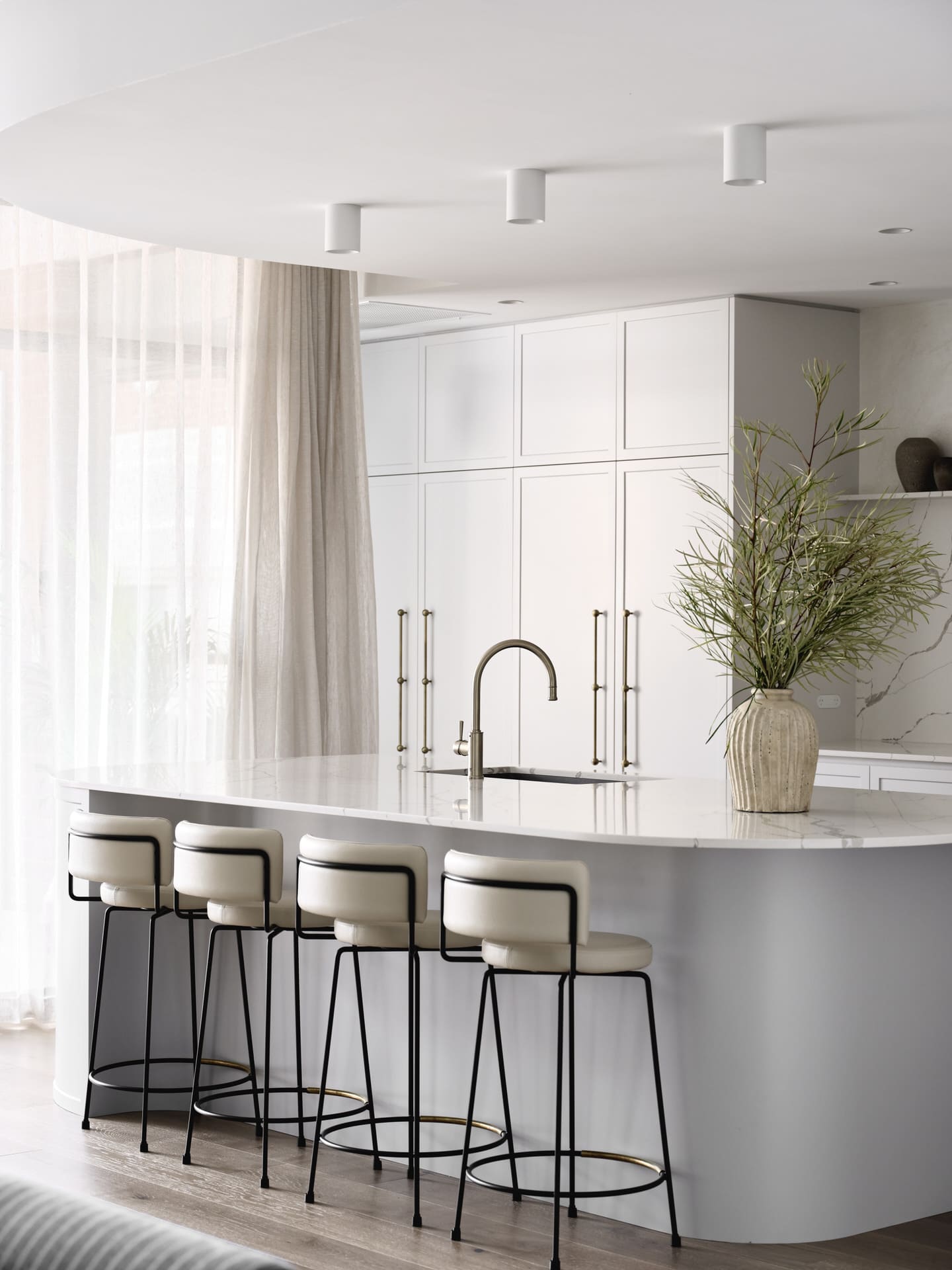
Subtle use of reflective materials can extend the reach of daylight throughout a space. High gloss cabinetry, polished floors, metallic accents, or glass furniture can all help bounce light around the room.
The goal is to enhance brightness without creating glare, which is achieved through thoughtful pairing of matte and reflective textures.
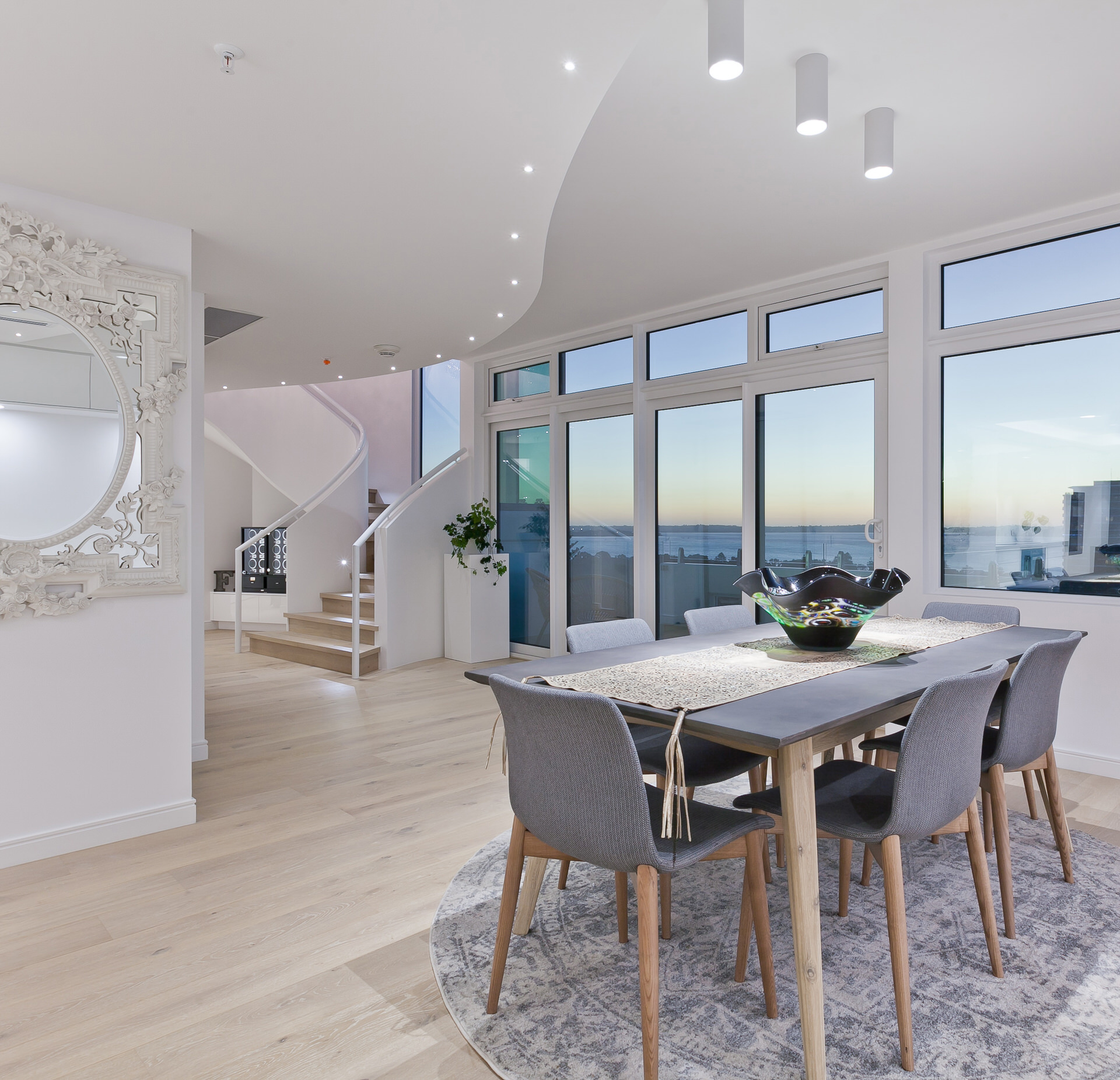
Mirrors are one of the simplest yet most effective tools for enhancing light distribution. When placed opposite windows or near natural light sources, mirrors expand the visual boundaries of the room and magnify brightness.
Light Colour Palettes
Soft, neutral tones are naturally more reflective, allowing daylight to diffuse gently across walls and ceilings. Whites, creams, and gentle greys can brighten a room while still offering depth and sophistication when layered with natural stone, timber, or textured fabrics.
Minimalist and Elevated Furnishing
An excess of bulky or heavy furnishings can interrupt light pathways. Designers often opt for elevated furniture with open bases, streamlined profiles, and carefully curated décor that complements rather than competes with the light. The result is an airy, balanced, and refined interior.
Windows and Glazing Strategies
Windows are one of the most important elements in enhancing natural light, yet their design is often underestimated. Size, placement, and glazing type all determine how effectively daylight enters a space.
Large Format and Floor to Ceiling Windows
Expansive windows create dramatic architectural appeal while maximising daylight exposure. These larger openings frame outdoor views, connect interior spaces to the landscape, and introduce an immersive sense of natural warmth. When paired with sheer curtains, homeowners can enjoy softened light without sacrificing brightness.
Strategic Window Orientation
Orientation determines the quality and intensity of natural light throughout the day. North facing windows bring in consistent, soft light, while east and west orientations provide morning or afternoon warmth. South facing windows tend to offer cooler, diffuse light that is ideal for living spaces where comfort and balance are important.
Blending Natural and Artificial Lighting
Designed correctly, artificial lighting should support rather than replace natural light. Layered lighting schemes allow a room to maintain brightness and character even after sunset. Pendant lights, concealed LED strips, track lighting, and wall lamps can all be used to complement the architectural flow of daylight, ensuring a cohesive lighting experience.
The Lux Interiors Approach
At Lux Interiors, our design philosophy revolves around creating spaces that feel bright, inviting and effortlessly functional. Every project begins by understanding how natural light interacts with the home at different times of day. From architectural revisions to material selections, every decision is made with the goal of enhancing liveability and elevating aesthetic beauty.
Natural light is more than a design feature. It is a fundamental component of comfort, wellbeing, and sustainability. By combining architectural expertise with refined interior styling, we help homeowners experience their spaces in a whole new way.
FULFIL YOUR VISION
Throughout the design and renovation of your home or apartment, our team is dedicated to creating a timeless and refined space that reflects and enhances your lifestyle. We offer an exclusive service, focusing on a select number of projects each year to ensure your renovation receives the attention it deserves. Our team consists of specialists in their fields, all committed to delivering exceptional results.