
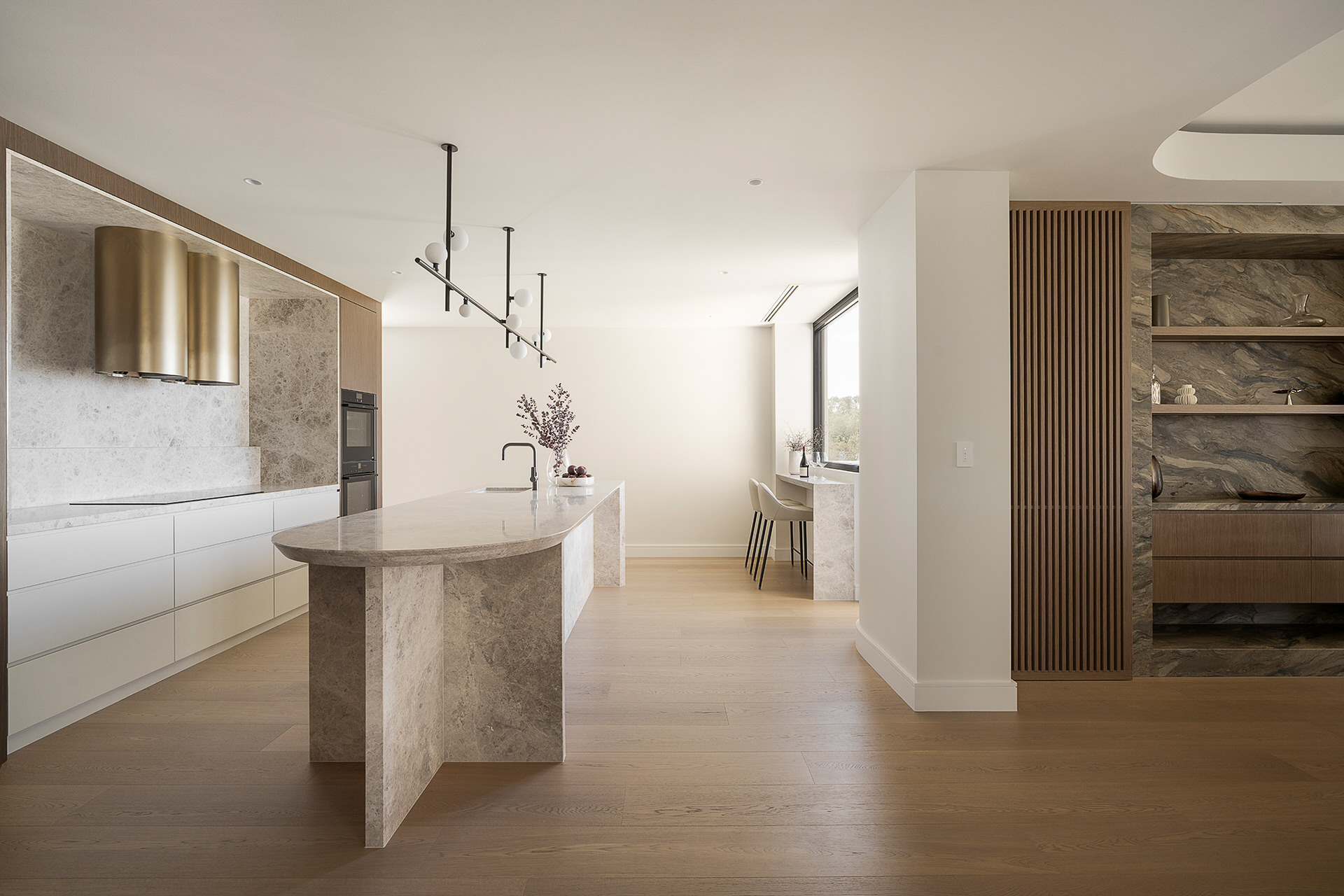
Ultimate Luxury Home Renovation Planning Guide
If you’ve landed on this page, chances are you’re standing at the start of a home renovation, weighing up where to begin. It’s exciting. It might also feel like a lot.
Maybe your family is growing, and it’s time to refresh your home for this next stage of life. Perhaps the kids have grown and moved out, and the home you raised them in no longer quite fits how you live now. Or, you’re approaching retirement and want a home built around the years ahead, not the years behind.
Regardless of your situation, the questions are the same: where do you start, what should happen first, and how do you make decisions that will still feel right in ten years, not just ten months?
That’s exactly what this guide is for. A luxury renovation is rarely about updating one room at a time. It’s about making sure every space, from the kitchen to the living areas to how you move between them, works together and works for the way you actually live.
This guide walks through the bigger picture: assessing what your home can support, prioritising the right work first, and planning your timeline and team so the process feels considered rather than chaotic. Read it through before you make a single material selection, and the rest of the renovation becomes far easier to plan with confidence.
Ultimate Luxury Home Renovation Planning Guide in Summary
1. Start With the Home You Want to Live In
2. Understand What Your Home Can Support
3. Create a Cohesive Design Vision
4. Prioritise the Right Work First
5. Plan Your Team, Timelines, and Approvals
6. Prepare for Life During the Renovation
Full Home Renovation Checklist
Home renovation FAQs
Bring Your Renovation Plans Together
Key Takeaways
- Define your renovation goals and create a whole-home strategy before work begins.
- Assess your home’s condition and address structural or functional issues before cosmetic upgrades.
- Prioritise layout, flow, and long-term liveability to create a cohesive renovation.
- Plan your team, approvals, timeline, and material selections early to minimise delays.
- Prepare for life during construction by considering access, accommodation, and project staging.
- Follow a comprehensive home renovation checklist to keep your project organised from planning through to handover.
1. Start With the Home You Want to Live In
Before discussing budgets, materials, or floor plans, take a step back and think about how you want your home to support your lifestyle.
A successful renovation is rarely driven by aesthetics alone. Instead, it begins with understanding how you use your home every day and where it no longer meets your needs.
Maybe your family mostly spends time in separate rooms rather than together. Maybe your home lacks connection to outdoor entertaining areas, doesn’t provide enough storage, or no longer suits the way you work from home. In some cases, the issue isn’t a lack of space at all, but how that space is currently being used.
Rather than thinking room by room, think about the experience of living in the home as a whole.
Consider questions such as:
- What frustrates you about your current home?
- Which spaces do you use most often?
- How do you entertain family and friends?
- How has your lifestyle changed since you first moved in?
- How do you want your home to feel five or ten years from now?
These answers create the foundation for every decision that follows. Once you guide your renovation by the way you want to live, it’s much easier to prioritise the changes that will have the greatest impact.

2. Understand What Your Home Can Support
Before developing renovation plans, take the time to understand your home’s condition and potential. A thorough assessment early in the process can help uncover opportunities, identify limitations, and reduce the risk of unexpected costs during construction.
Older homes may have ageing plumbing, outdated electrical systems, structural movement, poor insulation, or waterproofing issues that should be addressed before cosmetic work begins. Resolving these items first helps protect your investment and creates a stronger foundation for the renovation.
It’s equally important to identify the home’s strengths. Natural light, ceiling heights, original architectural features, and connections to outdoor living areas can all influence the design direction and contribute to a more cohesive result.
During this stage, consider:
- The home’s structural condition
- Plumbing, electrical, and drainage systems
- Opportunities to improve natural light and ventilation
- Existing features worth preserving
- Any constraints that may influence the design
Understanding what your home can realistically support allows you to make more informed decisions and develop a renovation plan that’s both practical and thoughtfully considered.
‘The most successful renovations don’t feel like a series of updated rooms. They feel like one thoughtfully designed home, where every detail works together to create a seamless living experience.’
– Andrew Daly, Director
3. Create a Cohesive Design Vision
One of the greatest advantages of renovating your entire home is the opportunity to create spaces that feel connected rather than designed in isolation.
Instead of making room-by-room decisions, develop an overall design vision before selecting individual materials and finishes. This helps ensure every space complements the next, creating a home that feels refined, balanced, and intentionally designed.
Consistency doesn’t mean every room needs to look the same. Rather, it’s about establishing common design elements that flow throughout the home while allowing each space to have its own personality.
As you develop your vision, consider:
- A consistent colour palette
- Flooring that creates seamless transitions between spaces
- Complementary cabinetry and joinery details
- Coordinated tapware, hardware, and lighting finishes
- Architectural details such as doors, skirting boards, and architraves
- A balance between timeless design and personal style
Taking a whole-home approach helps every decision contribute to a cohesive result, ensuring your renovation feels considered from the front door to the final room.
4. Prioritise the Right Work First
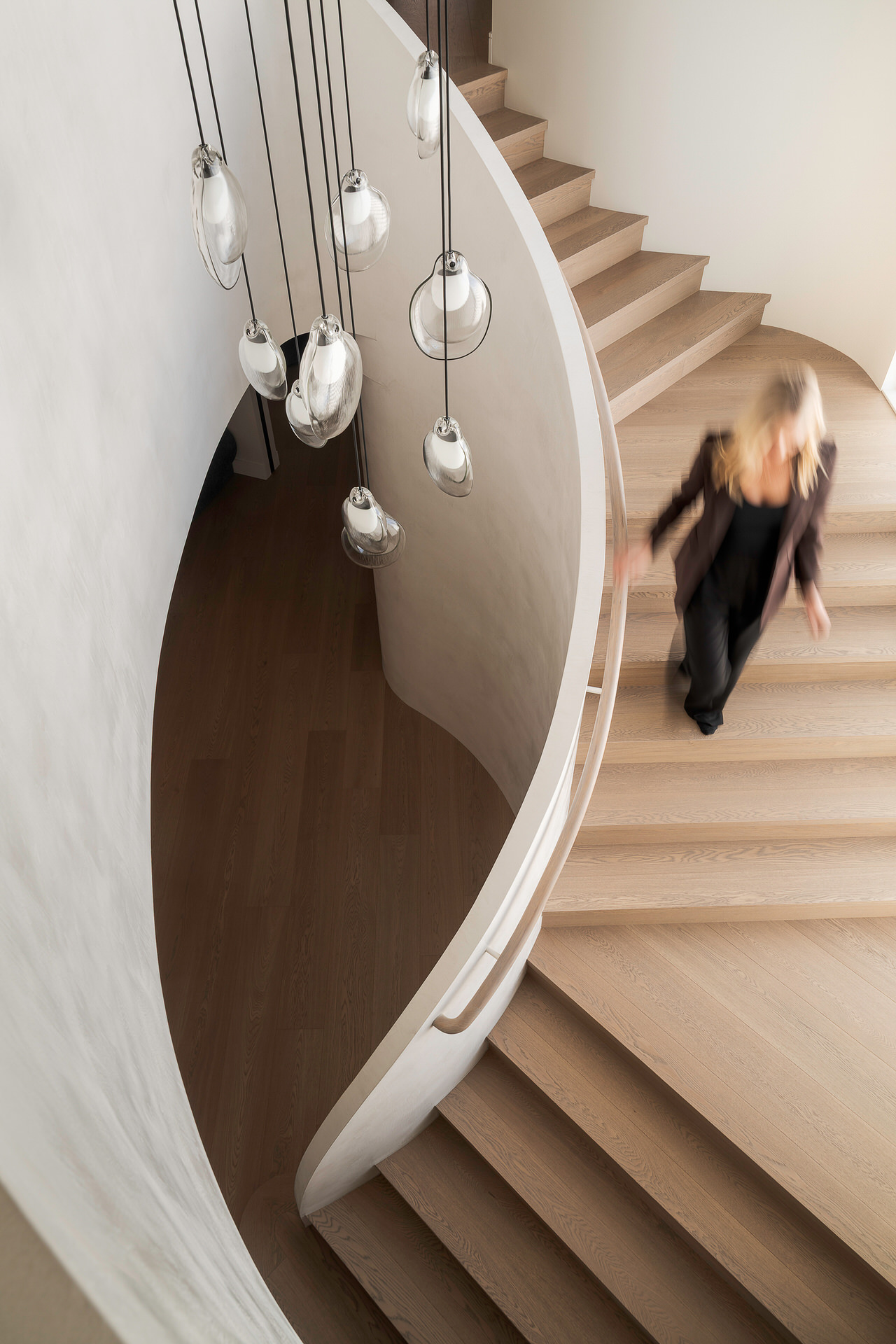
One of the biggest advantages of thorough home renovation planning is knowing what to do first. While it’s natural to focus on exciting design decisions, the success of a renovation often depends on completing less visible work before cosmetic finishes are installed.
You should prioritise structural repairs, plumbing, electrical work, waterproofing, and insulation over flooring, paint, joinery, and decorative finishes. Addressing these elements early can help avoid costly rework and ensure the finished home performs as well as it looks.
If your renovation includes kitchens, bathrooms, or laundry spaces, you should also plan these areas from the outset, even if they’ll be completed later in the construction schedule. Their layout and service requirements often influence other parts of the home.
A typical renovation sequence often looks like:
- Structural repairs and demolition
- Plumbing and electrical rough-in
- Insulation and wall linings
- Flooring and cabinetry
- Painting and finishing
- Fixtures, fittings, and final detailing
Approaching your renovation in the right order helps create a smoother construction process while protecting the quality of the finished result.
5. Plan Your Team, Timelines, and Approvals
A luxury home renovation involves many moving parts, from design development and material selections to coordinating trades and managing construction. Planning these elements before work begins can help create a smoother, more efficient renovation experience.
Depending on the scope of your project, you may also need approvals before beginning construction. Requirements vary depending on the type of work being undertaken, so it’s worth confirming what applies early in the planning process. If you’re unsure, the Australian Building Codes Board provides information about the National Construction Code and Australia’s building standards.
It’s equally important to establish a realistic timeline. Custom joinery, natural stone, imported fixtures, and premium finishes can all have extended lead times, so selecting materials early can help minimise delays later.
Working with an experienced design and renovation team can also simplify the process by coordinating consultants, trades, schedules, and project delivery. At Lux Interiors, we provide a highly personalised, end-to-end renovation experience, managing every stage of the project so you can enjoy a seamless process and a beautifully considered result.
6. Prepare for Life During the Renovation
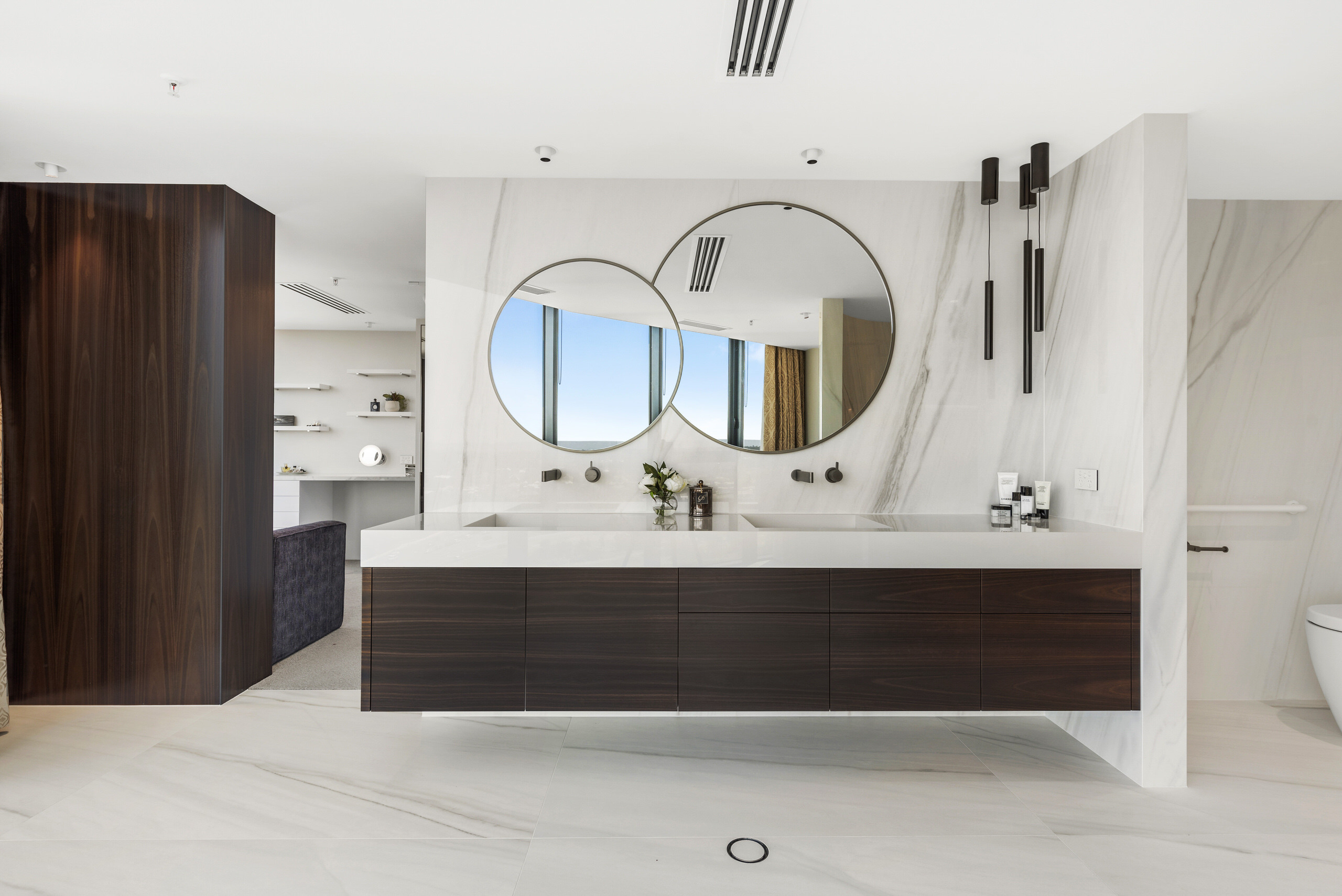
A whole-home renovation can be disruptive, particularly if you’re living in your home during the process. Planning ahead can help minimise inconvenience and make the experience far more manageable.
Consider whether you’ll continue living at home or arrange temporary accommodation during key stages of construction. If you’re staying, discuss with your renovation team how access, safety, dust management, and noise will be handled, and whether the project can be completed in stages to reduce disruption.
It’s also worth planning for practical day-to-day needs, such as temporary cooking facilities, bathroom access, and protecting furniture and valuables while work is in progress.
Open communication throughout the renovation is equally important. Regular project updates and clear expectations help ensure that decisions are made promptly, timelines remain on track, and unexpected challenges are managed efficiently.
While some disruption is unavoidable, careful planning and experienced project management can make the renovation process significantly smoother, allowing you to focus on the excitement of seeing your home transformed rather than the challenges along the way.
Full Home Renovation Checklist
Use this home renovation checklist to stay organised from the initial planning stages through to project completion.
Planning
☐ Define your renovation goals and priorities.
☐ Identify your must-haves and nice-to-haves.
☐ Establish your investment range and contingency.
☐ Gather inspiration that reflects your preferred design style.
☐ Decide whether you’ll remain in the home during the renovation.
Existing Home Assessment
☐ Assess the home’s structural condition.
☐ Review plumbing, electrical, and drainage systems.
☐ Identify any moisture, waterproofing, or ventilation issues.
☐ Consider opportunities to improve natural light and airflow.
☐ Determine which existing features should be retained or enhanced.
Whole-Home Design
☐ Develop an overall design vision before selecting finishes.
☐ Create a consistent colour palette throughout the home.
☐ Plan flooring transitions between rooms.
☐ Coordinate cabinetry, hardware, and lighting finishes.
☐ Review how each room connects to the next.
☐ Consider storage solutions throughout the home.
Planning and Construction
☐ Confirm whether approvals are required.
☐ Engage experienced design and renovation professionals.
☐ Order custom materials and long-lead items early.
☐ Establish a realistic construction timeline.
☐ Prepare temporary living arrangements if required.
Completion
☐ Inspect the finished work carefully.
☐ Test lighting, plumbing, and electrical fixtures.
☐ Collect warranties, certificates, and manuals.
☐ Complete any outstanding defect items.
☐ Enjoy your newly renovated home.
Home renovation FAQs
What should be included in a home renovation checklist?
A comprehensive home renovation checklist should cover your renovation goals, budget, existing home assessment, layout planning, materials, approvals, construction timeline, and final quality checks. Planning each stage before construction begins can help reduce delays, avoid costly changes, and create a more cohesive result.
What should I plan first when renovating my home?
Start by defining your goals and assessing your existing home’s condition. Once you understand what needs to be repaired, updated, or reconfigured, you can develop a renovation strategy that prioritises structural work, functionality, and long-term liveability before selecting finishes.
How do I plan a luxury home renovation?
Luxury home renovation planning should focus on creating a home that feels cohesive, functional, and tailored to your lifestyle. Rather than making decisions room by room, consider how the entire home will flow, how each space connects, and how your material selections, lighting, and architectural details work together.
Do I need approvals for a home renovation in Perth?
Some renovation projects require approvals, particularly if they involve structural alterations, extensions, or significant changes to the home’s layout or services. Requirements vary depending on the scope of work and your local council, so it’s important to confirm these before construction begins.
Why is planning so important before starting a renovation?
Thorough planning helps establish a clear vision, a realistic timeline, and a well-defined project scope before work begins. It also allows you to make key decisions early, as well as minimise unexpected costs, construction delays, and unnecessary compromises throughout the renovation process.
Bring Your Renovation Plans Together
Every successful home renovation begins with a clear strategy. Taking the time to understand your home’s potential, establish your priorities, and plan each stage carefully can help create a more enjoyable renovation experience and a better long-term result.
At Lux Interiors, we partner with homeowners across Perth to transform existing homes through thoughtful design, meticulous craftsmanship, and a highly personalised renovation process.
Whether you’re reconfiguring your home’s layout, updating multiple living spaces or undertaking a complete interior transformation, our experienced team manages every stage with care, ensuring each detail contributes to a cohesive and timeless outcome.
If you’re ready to take the next step, speak with the team at Lux Interiors and discover how a carefully planned renovation can enhance the way you live for years to come.