
Luxury Accessible Interior Design for Inclusive Homes
Accessibility is best considered as a core principle rather than an add-on. When inclusive thinking is embedded early, the result is a home that feels intentional, sophisticated, and future-ready, rather than clinical or adapted.
This approach reflects a broader shift in how luxury homes are being conceived. Inclusive homes are not only designed for immediate needs but also for longevity, adaptability, and evolving lifestyles.
For personalised interior design advice, contact our team at Lux Interiors today.
Redefining Accessibility as a Design Asset
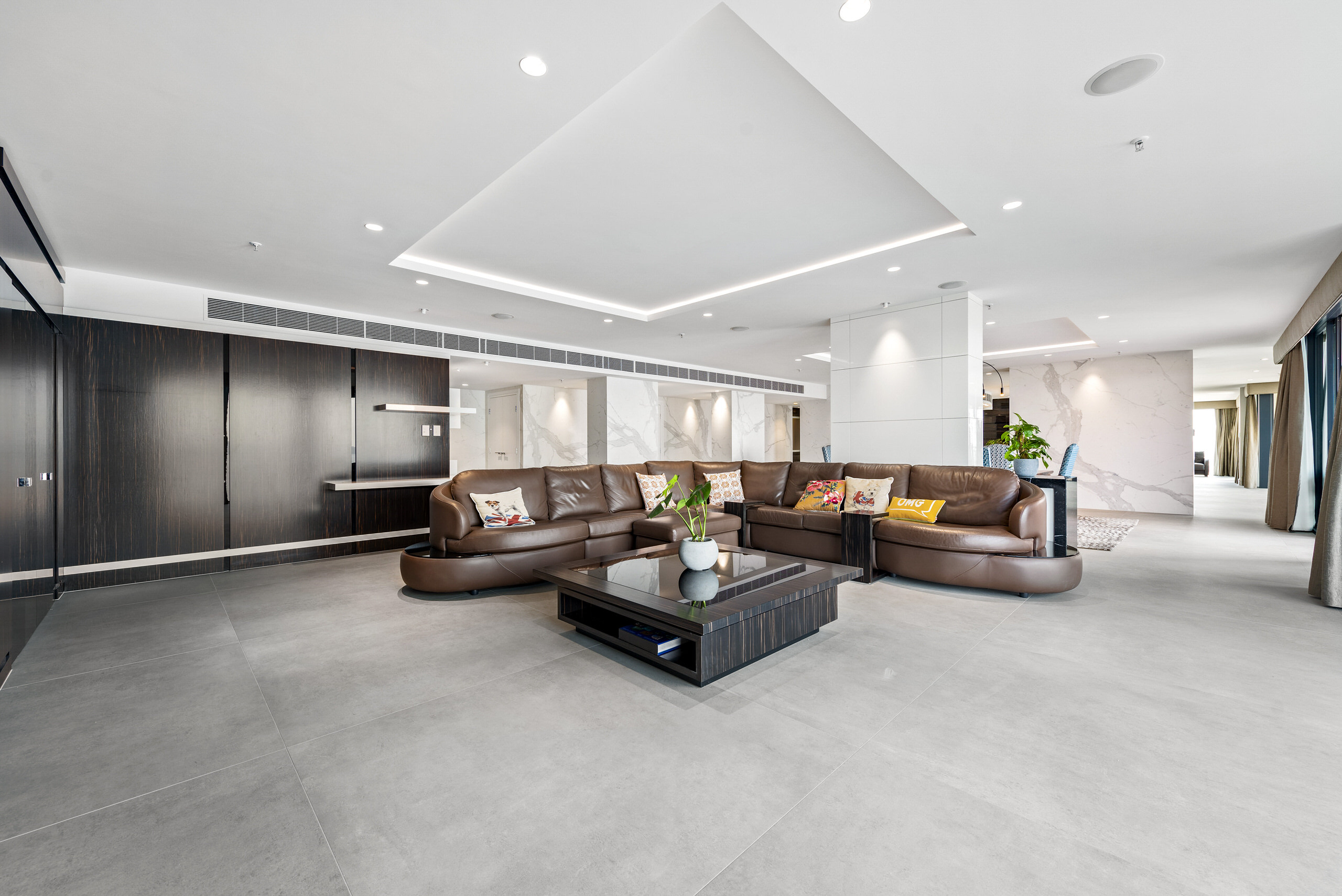
Accessible design is often misunderstood as purely functional, but in high-end residential settings, it becomes a design asset. Wider circulation paths, intuitive layouts, and well-considered spatial flow often enhance the overall sense of openness and calm within a home.
Luxury interiors thrive on clarity and proportion. When spaces are designed with generous clearances and logical zoning, they feel more expansive and effortless to navigate. This benefits not only those with mobility considerations, but also families, ageing occupants, and anyone seeking a home that supports ease of movement.
The most successful inclusive homes are those where accessibility is invisible. Rather than drawing attention to specific features, the design feels cohesive, refined, and naturally accommodating.
Thoughtful Layouts That Prioritise Movement and Flow
Spatial planning plays a defining role in inclusive homes. Designers often begin by minimising unnecessary level changes and ensuring smooth transitions between rooms. Open-plan living zones, when carefully balanced with privacy and acoustic control, can enhance accessibility without sacrificing comfort.
Key considerations include:
- Clear circulation paths that allow for easy movement between spaces
- Logical placement of high-use rooms such as kitchens, bathrooms, and bedrooms
- Minimising tight corners or abrupt changes in direction
- Ensuring doorways and thresholds feel generous without appearing oversized
These principles create homes that feel intuitive and effortless, aligning accessibility with the hallmarks of luxury residential design.
Elevating Kitchens With Inclusive Design Principles
The kitchen is one of the most frequently used spaces in any home, making it a critical area for inclusive design. High-end accessible kitchens prioritise usability while maintaining visual cohesion.
Design strategies may include:
- Varied benchtop heights integrated seamlessly into the overall joinery design
- Handle-free cabinetry with touch-latch or recessed detailing for a streamlined aesthetic
- Thoughtful appliance placement to reduce bending or overreaching
- Ample circulation space that allows for comfortable movement around islands and work zones
When executed well, these elements are virtually indistinguishable from contemporary luxury kitchens, yet they significantly improve usability and comfort.
Bathrooms That Balance Safety and Sophistication
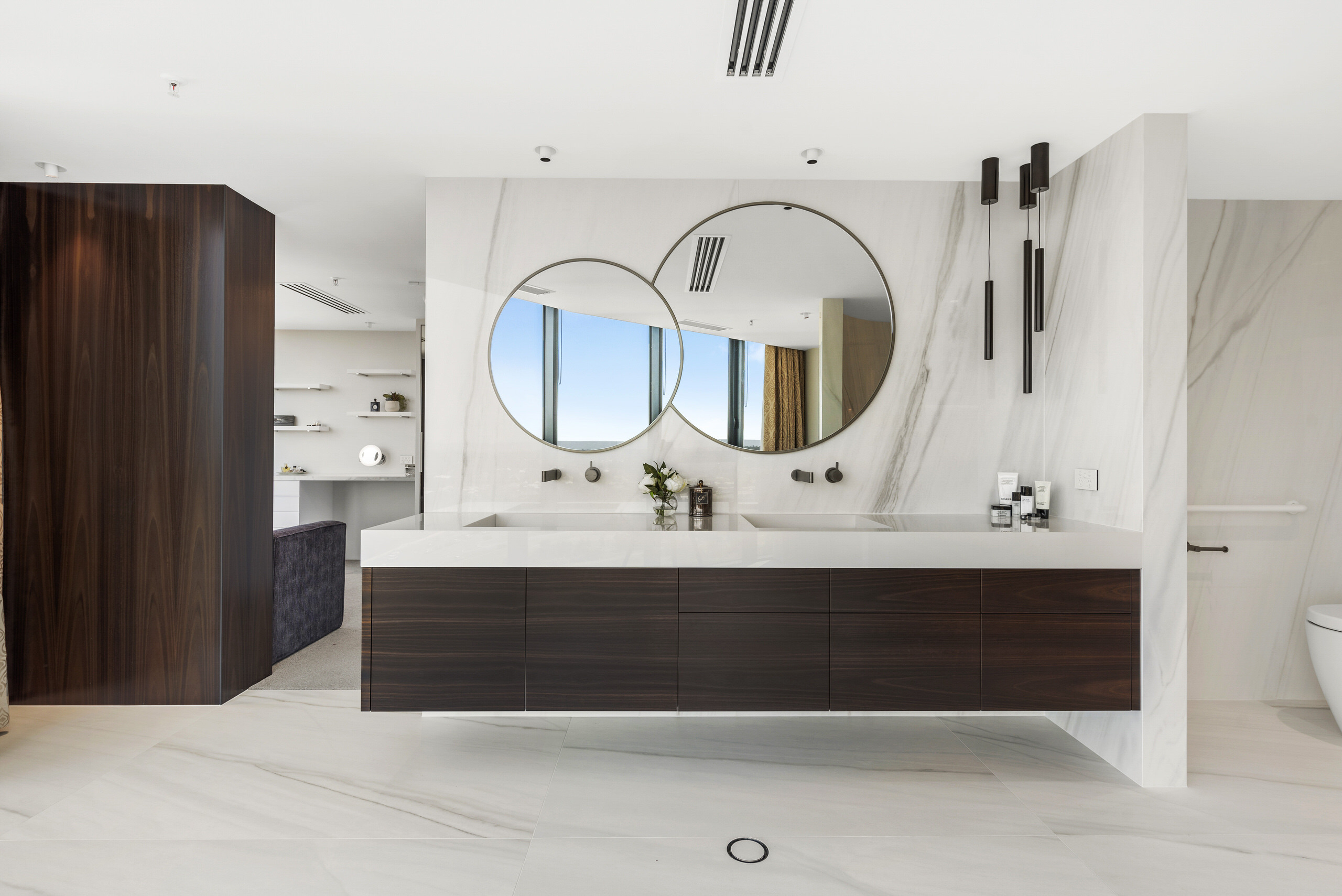
Bathrooms present some of the greatest opportunities to blend accessibility with refined detailing. Rather than relying on overtly utilitarian fixtures, designers can incorporate subtle safety features into elegant bathroom environments.
Key techniques include:
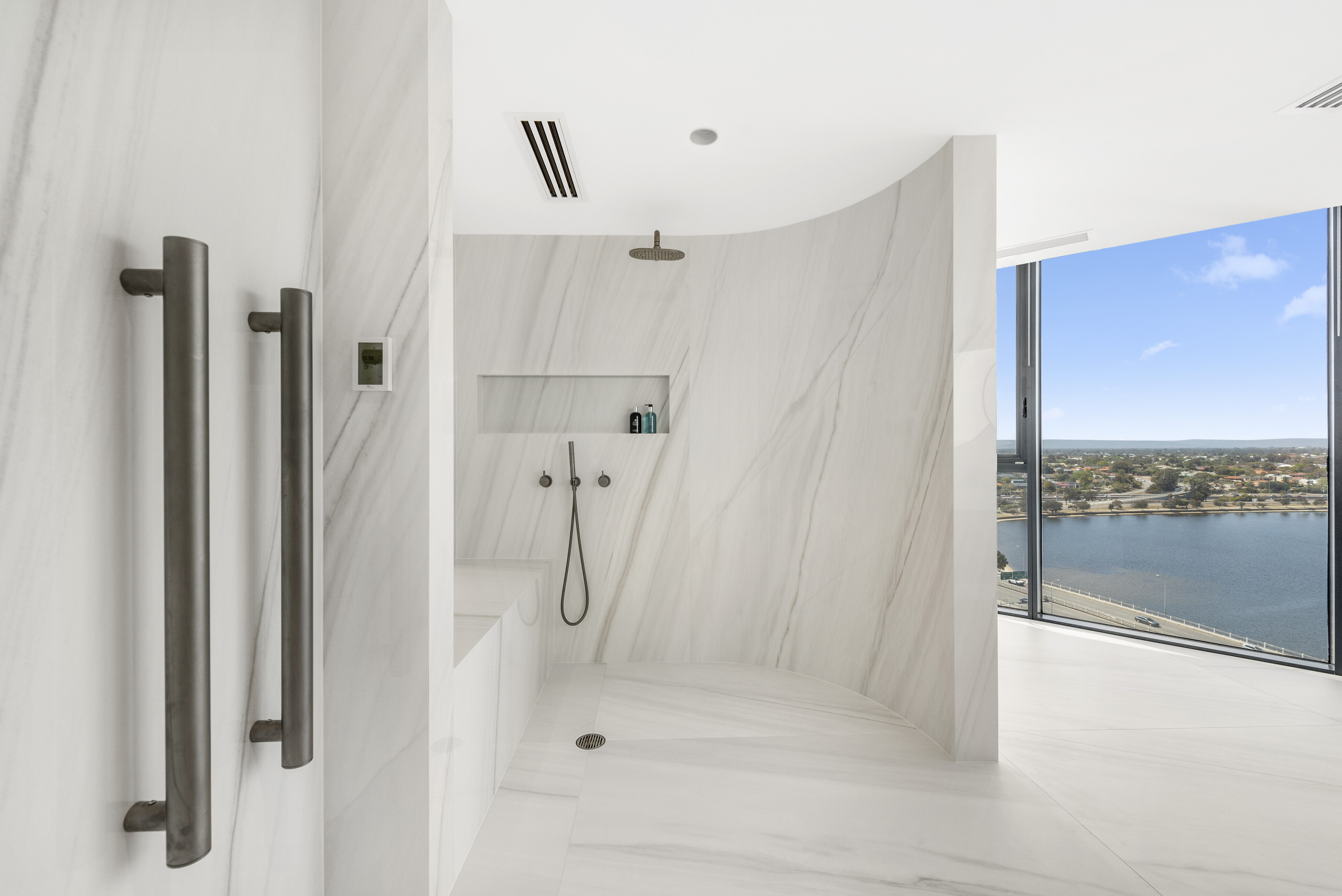
- Walk-in showers with flush floor transitions
- Integrated seating formed from stone or tiled finishes
- Wall-hung vanities that enhance floor visibility and circulation
- Slip-resistant finishes that retain a premium tactile quality
By focusing on materiality, proportion, and detailing, bathrooms can feel spa-like and indulgent while quietly supporting safety and accessibility.
Material Selection That Supports Both Luxury and Function
Materials play a central role in defining the character of an inclusive luxury home. High-quality finishes can also serve functional purposes when selected with care.
Examples include:
- Timber or stone flooring with subtle texture to improve grip while retaining elegance
- Matte finishes that reduce glare and improve visual comfort
- Soft-close hardware and refined mechanisms that support ease of use
- Durable surfaces that withstand long-term use without compromising appearance
The goal is to ensure that every material choice contributes both aesthetically and practically, reinforcing the idea that accessibility enhances, rather than detracts from, luxury.
Lighting Design for Comfort, Clarity, and Ambience
Lighting is a powerful tool in inclusive residential design. Well-considered lighting plans improve visibility, reduce strain, and enhance mood throughout the home.
Designers often layer lighting to achieve both function and atmosphere through:
- Ambient lighting to provide even illumination
- Task lighting in kitchens, bathrooms, and work areas
- Accent lighting to highlight architectural features and finishes
Controls can be discreetly integrated to enable easy adjustment, supporting different needs without disrupting the space’s visual flow. When executed thoughtfully, lighting elevates both accessibility and architectural expression.
Inclusive Design in Practice
A strong example of inclusive luxury design is the Raffles project by Lux Interiors. This residence demonstrates how accessibility and refined aesthetics can coexist in a high-end home.
By embedding accessibility into core architectural and interior decisions, the project demonstrates how inclusive design can be advanced through craftsmanship, material selection, and spatial intelligence.
Designing for Longevity and Future Living
One of the most compelling reasons to integrate accessibility into luxury homes is future-proofing. Inclusive design supports residents through changing life stages, reducing the need for disruptive renovations later on.
Homes designed with adaptability in mind often feel calmer and more considered. They prioritise comfort, independence, and dignity, qualities that align closely with the values of premium residential design.
For designers and homeowners alike, this approach represents a more thoughtful vision of luxury. It is not defined solely by aesthetics, but by how well a space supports the people who live within it.
A New Standard for Luxury Living
Inclusive luxury design reflects a broader evolution in residential architecture and interiors. It recognises that true luxury lies in ease, comfort, and intelligent design decisions that stand the test of time.
At Lux Interiors, we specialise in creating refined, thoughtfully designed spaces that balance luxury, functionality, and accessibility. Whether you are building new or renovating, our team can help you with a meticulous, design-led approach to homes that support comfort, safety, and longevity.