
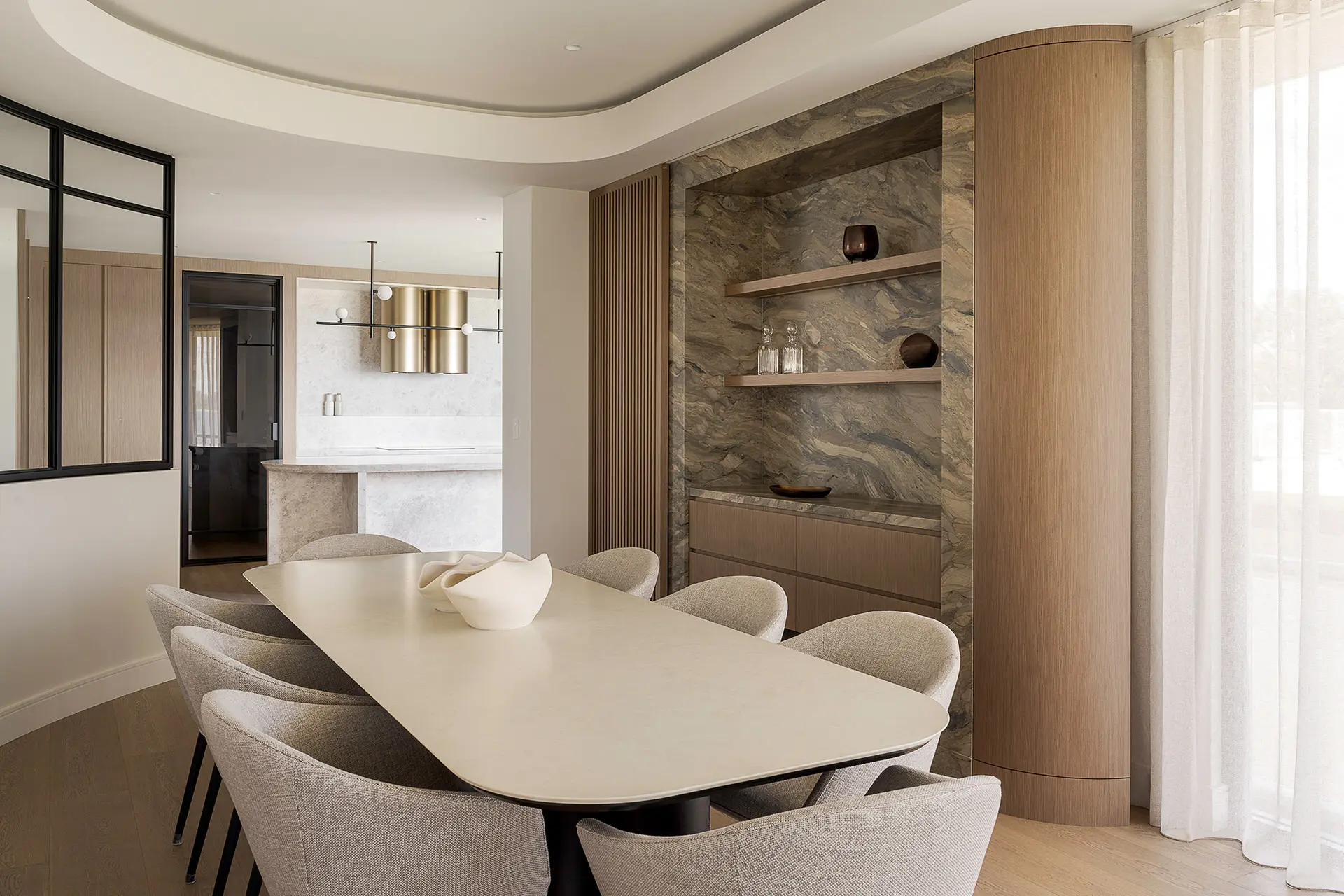
Complete Luxury Interior Design Checklist
Whether you’re refreshing individual spaces or undertaking a complete home transformation, thoughtful interior design can elevate both your home’s appearance and functionality. However, with so many decisions to make, it’s easy to overlook details that can influence the finished result.
This luxury interior design checklist explores the essential considerations for creating a cohesive, timeless home, helping you approach every design decision with clarity and confidence.
1. Define Your Interior Design Vision
2. Plan Your Spaces Around How You Live
3. Establish a Cohesive Colour Palette
4. Choose Materials and Finishes That Last
5. Consider Lighting at Every Level
6. Integrate Storage and Bespoke Joinery
7. Complete Your Interiors With Considered Finishing Touches
8. Bring Every Design Element Together
Your Full Luxury Interiors Checklist
Answering Your Luxury Interior Design Questions
Create a Beautifully Considered Home With Lux Interiors
What to Consider When Designing Your Luxury Interiors
- Establish a clear interior design vision that reflects your personal style and complements your home’s architecture.
- Plan room layouts and furniture placement around your lifestyle to ensure comfort, functionality, and effortless flow.
- Create a cohesive colour palette and select quality materials and finishes that balance timeless appeal with durability.
- Combine natural light with layered lighting to enhance your home’s atmosphere, functionality, and architectural features.
- Integrate bespoke joinery and thoughtful storage solutions, then add personality through carefully curated furniture and finishing touches.
- Review every design element together and use our luxury interior design checklist to guide your selections from initial concept to final details.
1. Define Your Interior Design Vision
Before selecting your colours, furniture, or finishes, take the time to establish a clear vision for your home’s interior. A considered design direction helps ensure every element works together, creating cohesive spaces rather than a collection of individual design choices.
Start by identifying the styles, materials, and architectural details you’re naturally drawn to. You might prefer the understated elegance of contemporary minimalism, the warmth of natural textures, or the sophistication of classic interiors.
Rather than following a particular trend, create an aesthetic that reflects your personal taste and complements your home’s existing character.
As you develop your vision, consider:
- Personal style: What colours, textures, and design features appeal to you?
- Architectural character: Which existing features should be preserved, enhanced, or complemented?
- Atmosphere: Do you want your interiors to feel warm and inviting, calm and understated, or bold and expressive?
- Consistency: How will your design choices create a natural connection between rooms?
- Longevity: Will your selections remain appealing and functional as your lifestyle evolves?
Gathering inspiration and developing a clear design concept early can help guide your future decisions, ensuring your finished interiors feel personal, balanced, and thoughtfully curated.
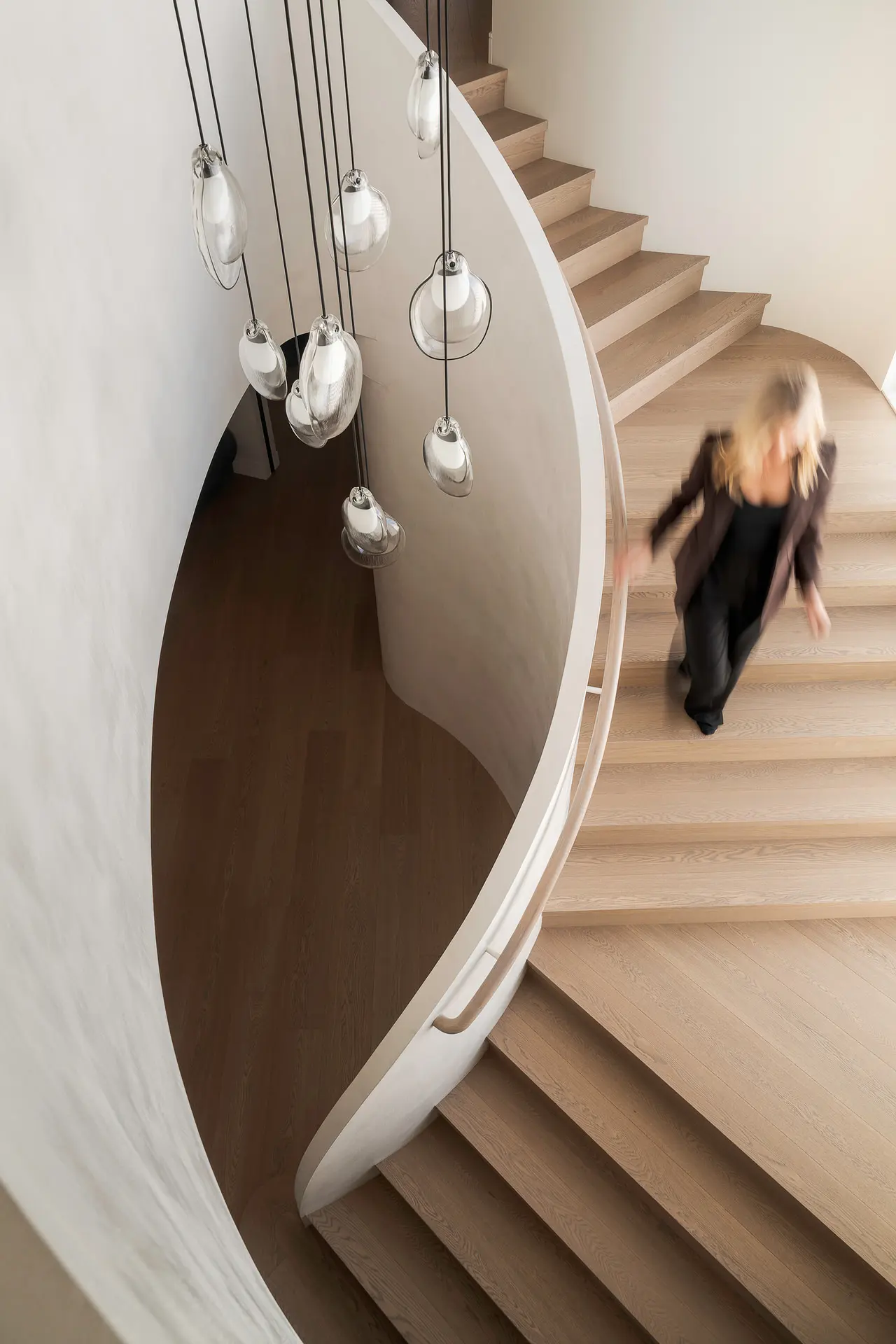
2. Plan Your Spaces Around How You Live
Beautiful interiors should feel as effortless to live in as they are to look at. Before settling on furniture or decorative features, consider how you use each room and how the layout can support your daily routines.
Think about the way you entertain, relax, and move between spaces. A generous living area might need to accommodate both intimate family evenings and larger gatherings, while a home office may benefit from privacy, natural light, and integrated storage.
When planning your interior layouts, consider:
- Furniture placement: Allow enough space for comfortable movement without making rooms feel empty or overcrowded.
- Room proportions: Choose furniture and fittings that complement each space’s scale and architectural features.
- Natural light: Position key living areas and furniture to make the most of the available daylight.
- Flow between rooms: Create intuitive connections between adjoining spaces while ensuring they maintain their individual purposes.
- Future flexibility: Consider how your needs may change over time and whether your spaces can adapt accordingly.
Thoughtful space planning creates a foundation for interiors that feel balanced, comfortable, and beautifully resolved, where functionality is integrated into the design rather than treated as an afterthought.
– Andrew Daly, Director
3. Establish a Cohesive Colour Palette
Colour plays an important role in shaping your home’s atmosphere. The right palette can make interiors feel calm and inviting, add warmth to expansive spaces, or highlight architectural features.
Rather than selecting colours for each room independently, establish a foundation of complementary tones that creates visual continuity throughout your home. This doesn’t mean every space needs to look identical. Subtle variations in colour, contrast, and texture can give individual rooms their own character while maintaining a cohesive aesthetic.
When developing your colour palette, consider:
- Base colours: Choose versatile tones for larger surfaces, including walls, ceilings, and flooring.
- Accent colours: Introduce depth and personality through cabinetry, upholstery, artwork, and decorative details.
- Undertones: Pay attention to warm and cool undertones to ensure colours complement one another.
- Natural light: Consider how room orientation and changing daylight affect how different shades look.
- Material finishes: Coordinate paint colours with timber, stone, metals, and other permanent finishes.
Before finalising your selections, view physical samples in the spaces you’ll use them in. Colours can appear remarkably different depending on the lighting, surrounding materials, and time of day.
A carefully curated palette creates harmony throughout your home while allowing individual spaces to feel distinctive and personal.
4. Choose Materials and Finishes That Last
The materials you choose influence not only how your home looks, but also how it feels and performs over time. In luxury interior design, quality, texture, and craftsmanship matter just as much as visual appeal.
Natural stone, solid timber, textured wall finishes, and carefully selected metals can introduce depth and character to an interior. Combining contrasting materials, such as smooth marble with warm timber or brushed metal with soft upholstery, can create visual interest without overwhelming the space.
When selecting materials and finishes, consider:
- Flooring: Choose materials that complement your design vision while accommodating the demands of each space.
- Wall finishes: Explore textured plaster, decorative panelling, wallpaper, and other architectural treatments.
- Natural materials: Consider the unique characteristics, variations, and maintenance requirements of timber and stone.
- Durability: Prioritise quality finishes in high-traffic areas and spaces exposed to moisture or frequent use.
- Texture and contrast: Balance smooth, polished surfaces with softer, tactile materials to create depth and warmth.
- Maintenance: Consider the ongoing care required to preserve the appearance of your selections.
Where possible, review material samples together rather than making decisions in isolation. This lets you assess how colours, textures, and finishes interact before committing to permanent selections.
Investing in thoughtfully chosen materials and skilled craftsmanship helps create interiors that retain their appeal long after the latest design trends fade.
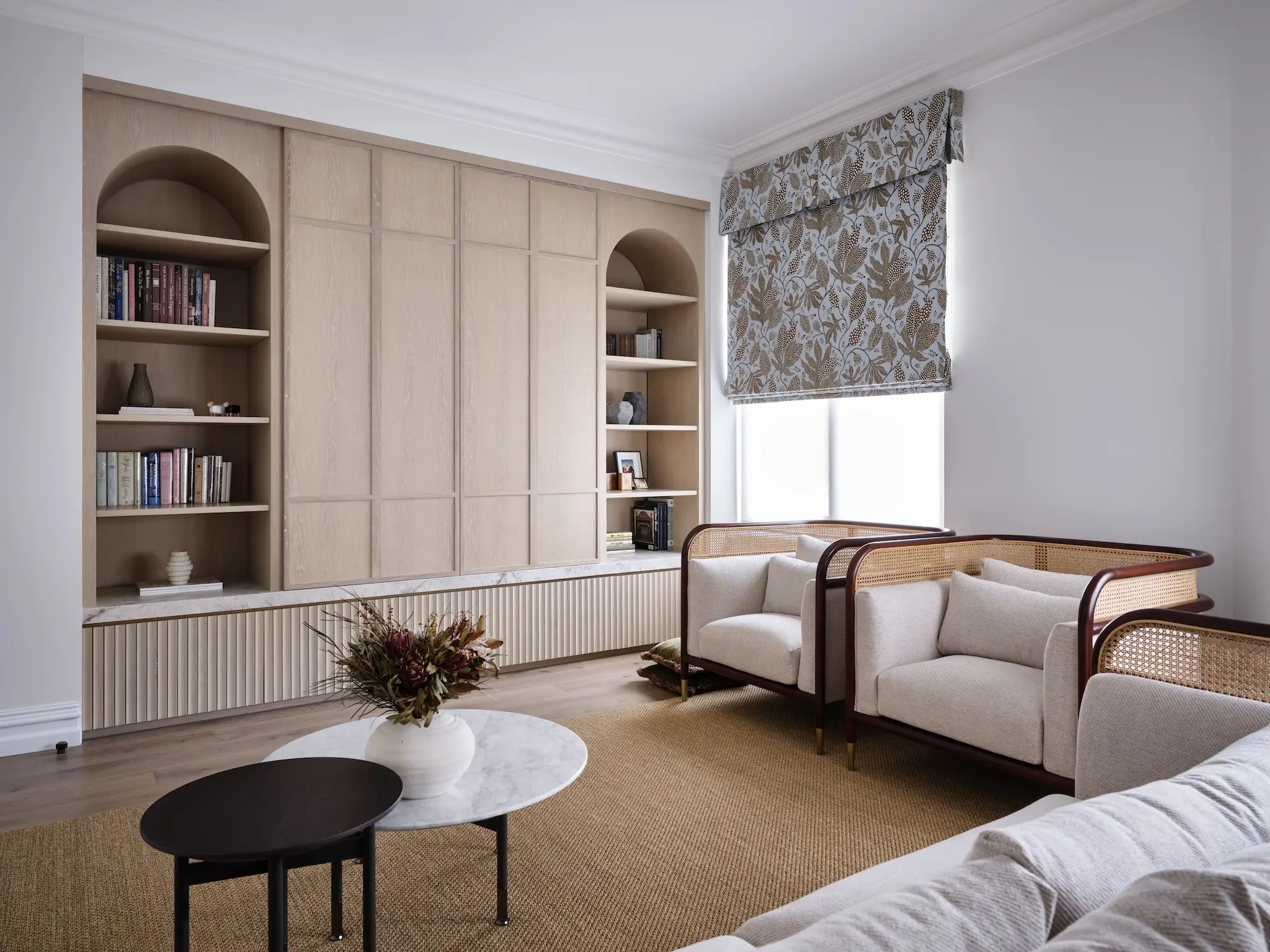
5. Consider Lighting at Every Level
Lighting can transform an interior, influencing everything from a room’s atmosphere to how people perceive colours, textures, and architectural details.
A considered lighting plan combines natural and artificial light to create spaces that are both practical and inviting. Instead of relying on a single overhead fixture, add layers of lighting to suit each room’s purpose and atmosphere.
When planning your lighting, consider:
- Natural light: Make the most of existing windows and openings, considering how daylight moves through your home.
- Ambient lighting: Create comfortable, even illumination with recessed downlights, pendants, or discreet architectural lighting.
- Task lighting: Provide focused illumination for activities such as reading, cooking, and working.
- Accent lighting: Highlight artwork, textured walls, architectural features, and bespoke joinery.
- Feature lighting: Introduce statement pendants or chandeliers that complement the scale and style of your interiors.
- Lighting controls: Consider dimmers and automated systems to adjust brightness and atmosphere throughout the day.
Lighting placement and colour temperature matter just as much. Warm, carefully positioned lighting can create an intimate atmosphere, while poorly placed fixtures may produce unwanted glare or shadows.
Planning your lighting alongside the broader interior design lets you integrate fittings, wiring, and architectural details discreetly, creating a polished result that feels effortless.
6. Integrate Storage and Bespoke Joinery
Thoughtfully designed storage is essential to creating interiors that feel organised, spacious, and effortlessly refined. In luxury homes, storage should do more than serve a practical purpose. It should complement the architecture and contribute to the overall aesthetic.
Bespoke joinery offers the opportunity to create tailored solutions that make the most of available space while incorporating details that reflect your personal style.
Consider integrating:
- Built-in cabinetry: Create streamlined storage that blends seamlessly with surrounding walls and architectural features.
- Custom wardrobes: Incorporate dedicated compartments for clothing, accessories, and seasonal items.
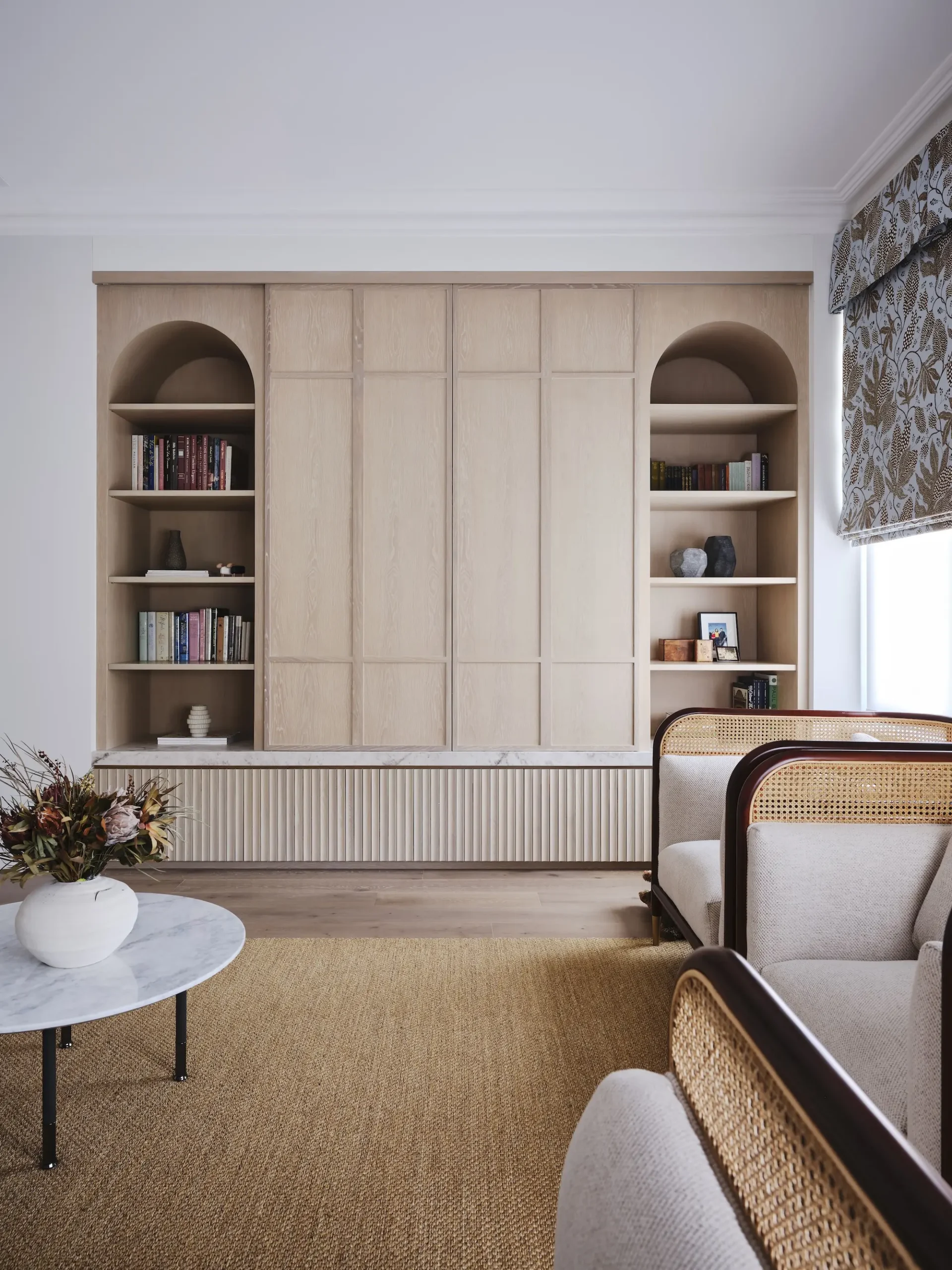
- Entertainment units: Conceal cables, equipment, and everyday clutter within beautifully designed cabinetry.
- Display shelving: Showcase artwork, books, and personal collections through thoughtfully arranged open shelving.
- Integrated workspaces: Create functional home offices or study areas that complement adjoining living spaces.
- Concealed storage: Incorporate discreet cupboards and drawers to maintain a clean, uncluttered appearance.
Pay attention to the finer details, including cabinetry profiles, hardware, internal organisation, and lighting. These elements can elevate everyday storage into a distinctive design feature.
Planning bespoke joinery early also allows you to coordinate cabinetry dimensions, electrical requirements, and surrounding finishes, ensuring each installation feels like a natural extension of your home’s interior.
7. Complete Your Interiors With Considered Finishing Touches
Furniture, window treatments, and decorative details are the final layers that bring an interior together. These selections should complement your home’s architecture, colour palette, and materials while adding comfort and personality.
When selecting your finishing touches, consider:
- Furniture: Choose pieces with proportions, shapes, and upholstery that complement each room.
- Window treatments: Balance privacy, light control, and aesthetics with elegant curtains, blinds, or motorised solutions.
- Artwork: Introduce personality and visual interest through carefully selected pieces.
- Rugs and textiles: Layer textures to add warmth, softness, and depth.
- Decorative accents: Incorporate mirrors, sculptural objects, and meaningful personal collections.
Rather than filling every available space, focus on a curated selection of pieces that feel intentional. The result should be an interior that feels complete without appearing overly styled.
8. Bring Every Design Element Together
Even the most beautiful individual selections can fall short if you don’t consider them as part of the overall design. Before finalising your interiors, review how your colours, materials, lighting, furniture, and architectural details work together.
As you bring your design together, consider:
- Material samples: Review colours, textures, and finishes together to assess how they complement one another.
- Furniture layouts: Confirm dimensions, proportions, and placement before ordering.
- Design specifications: Finalise fixtures, fittings, finishes, and joinery details to minimise last-minute changes.
- Visual consistency: Check that adjoining spaces feel connected without appearing identical.
- Professional guidance: Work with an experienced interior design team to coordinate selections and refine the finer details.
A comprehensive design plan helps ensure every element contributes to a cohesive result, creating interiors that feel considered from the initial concept through to the finishing touches.
Your Full Luxury Interiors Checklist
Use this luxury interior design checklist to keep track of your selections and ensure every detail contributes to a cohesive, beautifully considered home.
Design Vision
☐ Define your preferred interior design style
☐ Identify your must-haves and design priorities
☐ Consider your home’s existing architectural character
☐ Gather inspiration and establish an overall design direction
Space Planning
☐ Review room layouts and furniture placement
☐ Consider movement and flow between spaces
☐ Assess natural light and room proportions
☐ Plan for everyday functionality and future needs
Colours and Materials
☐ Establish a cohesive colour palette
☐ Coordinate undertones and accent colours
☐ Select flooring, wall finishes, and architectural details
☐ Review material samples together in natural and artificial light
☐ Consider durability and maintenance requirements
Lighting and Storage
☐ Plan ambient, task, accent, and feature lighting
☐ Consider dimmers and lighting controls
☐ Identify storage requirements throughout the home
☐ Finalise bespoke joinery designs and finishes
☐ Coordinate electrical requirements with cabinetry and lighting
Furniture and Finishing Touches
☐ Confirm furniture dimensions and placement
☐ Select upholstery, rugs, and soft furnishings
☐ Choose window treatments for privacy and light control
☐ Plan artwork, mirrors, and decorative accessories
Final Design Review
☐ Review all selections for consistency and cohesion
☐ Confirm fixtures, fittings, and material specifications
☐ Finalise furniture layouts and custom joinery details
☐ Review the complete design with your interior design team
Answering Your Luxury Interior Design Questions
Where should I start when planning my home’s interior design?
How far in advance should I plan my interior design?
How do I make my home interiors look more luxurious?
Should every room in my house have the same interior design style?
Is hiring an interior designer worth it for a luxury renovation?
How can I make my interior design feel timeless rather than trendy?
Create a Beautifully Considered Home With Lux Interiors
Exceptional interior design begins with a clear vision, but bringing every detail together requires thoughtful planning and expertise.
At Lux Interiors, we specialise in creating sophisticated, personalised interiors that balance timeless design with everyday functionality. Contact us today to discuss your renovation and discover how we can create a cohesive, beautifully considered home that reflects your personal style.